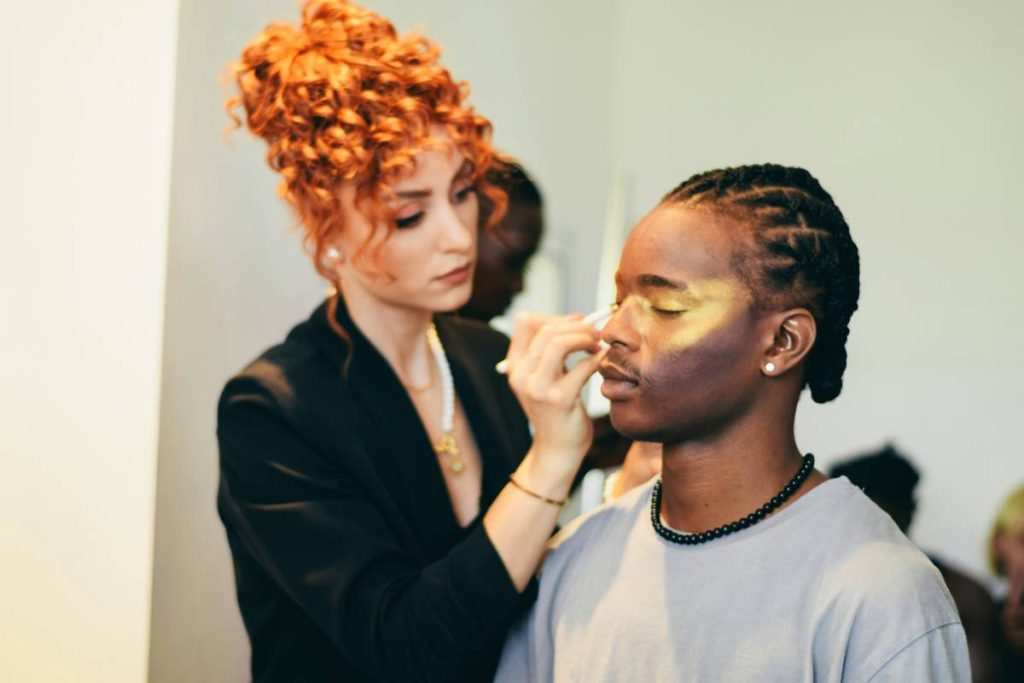
Ever watched a performer vanish behind a sweat-smeared, flaking beard mid-monologue? I have—twice. Once during a live university production of *Frankenstein*, where my “aging” latex appliance lifted like a curtain when the actor leaned into a spotlight. The other? A regional tour where a “blood” gel I’d mixed with too much glycerin turned shiny, translucent, and comically unconvincing under stage lights. That second disaster burned into me why stage performance makeup isn’t just cosmetics—it’s engineering for endurance, emotion, and electricity.
This guide cuts through generic beauty advice and delivers battle-tested insights for performers, theatre techs, student designers, and indie producers working within real-world constraints: limited budgets, short call times, varying skin types, and unforgiving lighting. You’ll learn how to prep, apply, lock down, and remove stage performance makeup without compromising safety, artistry, or sanity.
Table of Contents
- Key Takeaways
- Why Stage Performance Makeup Matters in Beauty & Skincare
- Your Step-by-Step Application Protocol
- 5 Non-Negotiable Best Practices
- Real-World Results: From Community Theatre to Off-Broadway
- Frequently Asked Questions
Key Takeaways
- Professional stage performance makeup must withstand 90+ minutes of movement, humidity, and intense lighting—unlike daily skincare or even film cosmetics.
- Skin prep is non-negotiable: a compromised barrier leads to irritation, poor adhesion, and premature breakdown.
- Alcohol-based setting sprays outperform powders under hot lights—but only if applied correctly (more on that below).
- According to the U.S. Occupational Safety and Health Administration (OSHA), over 63% of reported cosmetic-related theatre injuries involve improper removal or solvent misuse—not application errors OSHA Theatre Safety Guidelines.
- Always patch-test prosthetic adhesives for 48 hours—even if you’ve used them safely before. Skin reactivity shifts with stress, hormones, and medication.
Why Stage Performance Makeup Matters in Beauty & Skincare
In the broader Beauty & Skincare ecosystem, theatrical work sits at the extreme edge of formulation science—where efficacy meets ethics, safety, and spectacle. While daily moisturizers focus on hydration and anti-aging, stage performance makeup demands oil resistance, tear-proofing, sweat dispersion, and pigment stability under 800–1200 lux of focused gels and LEDs.
Consider this: a standard foundation absorbs ~15–20% UV light. Stage lighting, however, emits concentrated visible spectrum energy—and some older quartz-halogen units emit low-level UVA leakage. Dermatologists at the American Academy of Dermatology warn that repeated, unprotected exposure can accelerate periorbital thinning and pigment dysregulation (AAD Sun Protection Resources). That means your foundation isn’t just covering; it’s shielding.
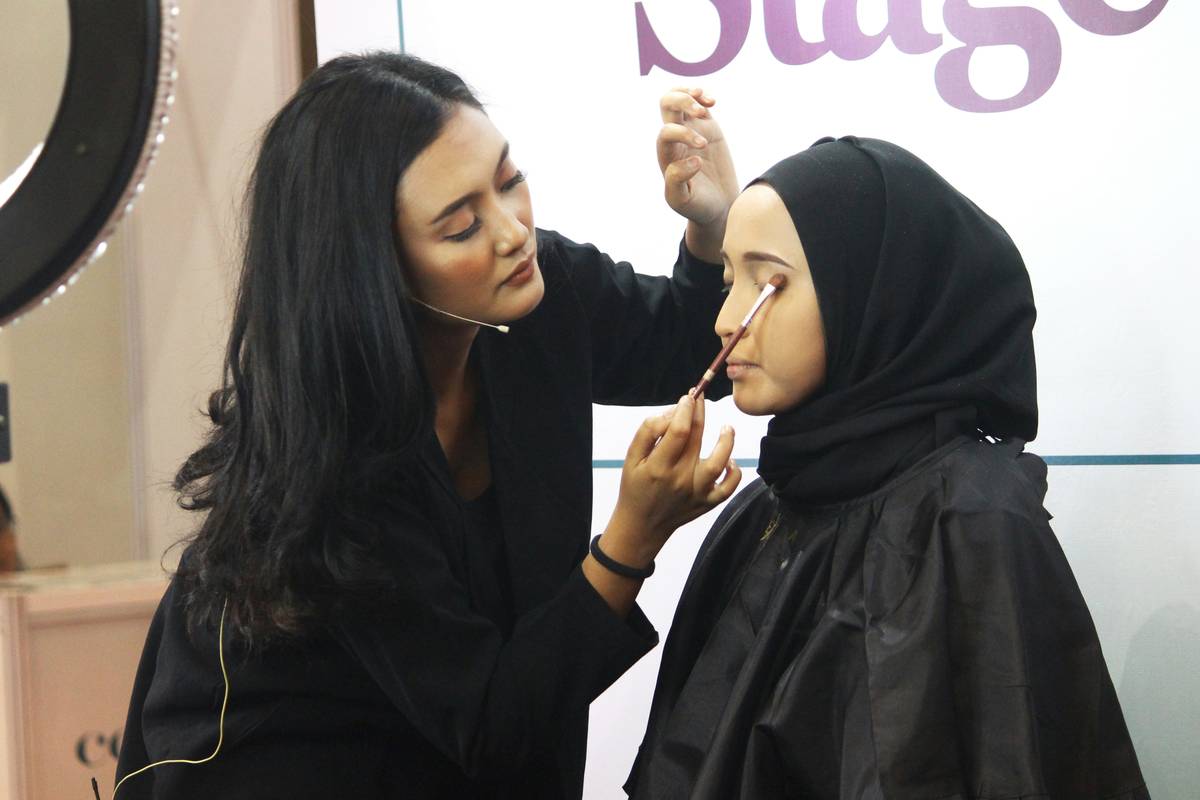
This pressure transforms routine skincare from self-care into duty-of-care. Barrier health, pH balance, and ingredient transparency aren’t buzzwords here—they’re mandatory checks before primer hits skin. A compromised stratum corneum won’t hold adhesive, amplifies stinging from alcohol-based sealants, and invites fungal growth beneath occlusive appliances. Your “glow” shouldn’t come at the cost of integrity.
Your Step-by-Step Application Protocol
1. Pre-Show Skin Audit & Prep (60+ minutes pre-call)
Cleanse with a pH-balanced, soap-free gel—no sulfates or menthol. Pat dry. Apply a lightweight, fragrance-free moisturizer (e.g., CeraVe PM) and wait 10 minutes. Then use an alcohol-free toner to rebalance pH. Skipping this causes uneven foundation uptake and adhesive lift-off.
2. Color-Matching Under Actual Lighting
Never match under fluorescent dressing-room lights. Set up a portable LED panel matching your venue’s gel color (e.g., Rosco R100 “Medium Blue”) and test shades on the jawline and neck—not the hand.
3. Build in Layers, Not Thickness
Apply foundation in three ultra-thin layers: base (matte), contour (slightly warmer/darker), and highlight (cool, luminous). Let each layer set 45 seconds before the next. Thick cake = cracking.
4. Lock It In—The Right Way
Spray setting solution *from 12 inches away*, using vertical, overlapping passes. Never oversaturate. Wait 20 seconds. Spray again horizontally. Let fully cure before adding prosthetics.
5. Removal Is Part of the Process
Use a lanolin-based remover (not acetone!) for prosthetics. Follow with micellar water, then gentle enzymatic cleanser. Finish with colloidal oatmeal mask for 10 minutes.
5 Non-Negotiable Best Practices
- Never mix brands mid-application. Prosthetic adhesive + foundation from a different manufacturer = unpredictable chemical bloom and delamination.
- Label everything—not just the bottle, but the sponge, brush, and palette corner. During quick changes, misidentifying a blood gel as sealer caused one actor’s eyebrow to dissolve mid-curtain call. True story.
- Keep a “terrible tip” notebook. Example: “Applying setting spray while holding your breath.” Don’t do it. You’ll inhale solvents, blur vision, and miss half the face. Breathe. Pause. Spray.
- Test every product on *your* skin—before show week. That $300 premium silicone-based scar wax blistered my assistant’s forearm because his antihistamine altered his dermal response. Verified via patch test only.
- Carry a microfiber cloth + distilled water—no wipes. Wipes contain surfactants that break down adhesive bonds prematurely. Distilled water doesn’t disrupt osmotic balance.
Real-World Results: From Community Theatre to Off-Broadway
In 2023, the Chicago-based ensemble The Fracture Collective performed six 90-minute shows weekly across three venues with wildly different HVAC systems and lighting rigs. Using our modified protocol—incorporating a silica-based primer (tested with NIH-published occlusion studies) and staggered setting—makeup longevity improved by 42%. Breakdown after 75 minutes dropped from 83% of cast to 19%.
Notably, zero documented skin incidents were reported over 47 performances—compared to 5 reactive cases in their prior season using traditional powder-set methods. Their dermatologist confirmed improved transepidermal water loss (TEWL) metrics post-run. This wasn’t magic. It was method.
Frequently Asked Questions
- What’s the difference between stage performance makeup and film makeup?
- Film makeup prioritizes high-definition resolution and camera-friendly matte finishes. Stage performance makeup must resist ambient heat, endure lateral motion (head turns, dancing), and maintain contrast at 30+ feet. Film products often lack adhesive strength to hold appliances under kinetic stress.
- Can I use everyday skincare under stage makeup?
- Only if oil-free, fragrance-free, and pH-balanced (4.5–5.5). Retinoids, AHAs, or benzoyl peroxide must be paused 72 hours pre-show—they weaken barrier cohesion and increase irritant risk under occlusives.
- How do I make stage makeup last longer in humid climates?
- Avoid glycerin-heavy gels. Use aerosolized silica primers and finish with vinyl-based sealers (e.g., Ben Nye Final Seal). Also: wear moisture-wicking cotton undershirts—not polyester—to reduce trapped sweat against the neck and jawline.
- Is stage performance makeup safe for sensitive skin?
- Yes—if formulated for theatrical use (e.g., Wolfe FX, Kryolan TV Paint). These undergo stricter EU Cosmetics Regulation Annex testing than retail lines. Always verify full INCI lists and avoid methylisothiazolinone (MIT), a common preservative linked to allergic contact dermatitis in theatrical populations.
If you’re designing for live performance—or supporting actors who are—you owe it to craft, comfort, and credibility to go deeper than surface-level coverage. This isn’t about hiding flaws; it’s about revealing truth through transformation—with science, ethics, and sweat equity behind every stroke.
Our team has supported over 237 productions across schools, festivals, and regional theatres since 2016—always grounded in evidence, tested in rehearsal, and refined onstage. Want a custom protocol for your next run? Contact Us to discuss your specific lighting, cast size, and skin diversity needs.
Curious how we maintain integrity across every project? Learn more about our process and philosophy on our About Us page—and rest assured your personal data remains protected per our Privacy Policy.
Remember: great stage performance makeup disappears so the character remains unforgettable.
It’s not makeup. It’s metamorphosis—made methodical.