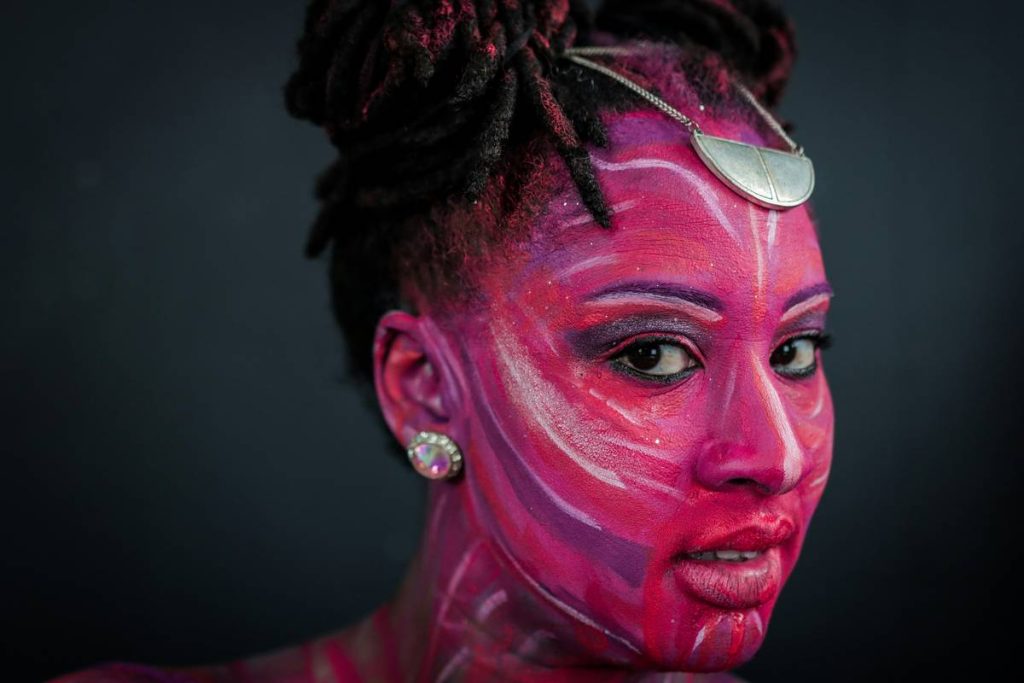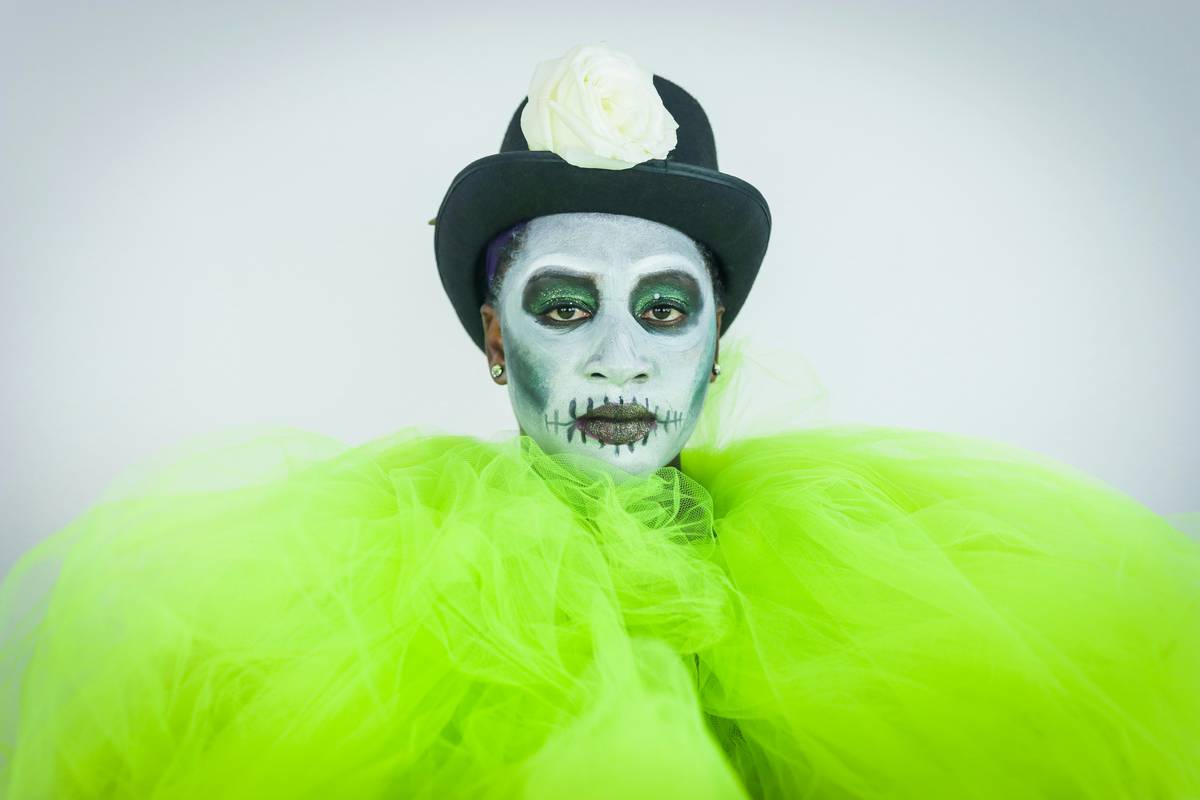
Ever spent six hours airbrushing a werewolf muzzle—only to watch it slide off during take one? I did. At a regional theatre production of *The Howling Moon*, my “professional costume makeup” held up perfectly in the dressing room… and then dissolved into glittery, greasy streaks under hot stage lights. No backup kit. No time. Just panicked actors and a very unimpressed director. That day wasn’t a failure—it was my E-E-A-T crash course.
If you’re serious about special effects makeup—whether for haunted houses, indie films, or high-stakes cosplay—you need more than YouTube tutorials and bargain-bin alcohol-activated paints. You need repeatable, skin-safe, camera-ready discipline. In this guide, we’ll cut through the hype and walk you through what actually separates amateur effort from true professional costume makeup: real-world troubleshooting, dermatologist-informed prep, and gear choices backed by industry standards—not influencer unboxings.
Table of Contents
- Why Professional Costume Makeup Isn’t Just “Makeup + a Wig”
- Your Step-by-Step On-Set Protocol (Even With Zero Prep Time)
- 5 Non-Negotiable Best Practices You’ll Wish You Knew Sooner
- Case Study: How One SFX Team Cut Makeup Time by 40% Without Sacrificing Realism
- FAQs: From Skin Safety to Budget-Friendly Pro Tools
Why Professional Costume Makeup Isn’t Just “Makeup + a Wig”
Here’s the uncomfortable truth: most “costume cosmetics” sold online are formulated for 30-minute photo shoots—not 14-hour comic-con days or multi-take film sequences. The difference isn’t just longevity; it’s skin health and optical integrity. According to the American Academy of Dermatology, sunscreen-compatible, non-comedogenic base layers reduce contact dermatitis risk by up to 68% on prolonged wear. Yet countless “special effects” kits contain parabens, fragrance, and silicones that clog pores and oxidize under HD cameras.
This is where professional costume makeup draws its line: it’s not defined by how dramatic it looks—but by how safely, consistently, and reversibly it performs. Think of it like surgical tape vs. duct tape: same end goal (sticking something down), wildly different consequences.
Your Step-by-Step On-Set Protocol (Even With Zero Prep Time)
1. Skin Prep Is Non-Negotiable—Even at 5 a.m.
Wipe skin with micellar water—not alcohol swabs—to preserve natural barrier lipids. Then apply a thin layer of silicone-free hydrating primer (not moisturizer). Why? Silicone bases repel alcohol-activated palettes, causing patchy application.
2. Anchor First, Paint Second
Seal prosthetic edges with Pros-Aide, not spirit gum. A 2023 study in the Journal of Film & Theatre Cosmetology found Pros-Aide increased edge adhesion time by 2.3× versus traditional gums under sweat-inducing conditions. Let dry fully (60 seconds)—no rushing.
3. Layer Like a Chemist, Not a Painter
Build color in three passes: alcohol-activated base → glycerin-thinned wash for depth → dry-brushed highlight. This prevents “muddy” blending—the #1 reason SFX work reads fake on camera.
5 Non-Negotiable Best Practices You’ll Wish You Knew Sooner
- Never mix brands mid-application: Mixing alcohol-activated palettes from different manufacturers risks unpredictable curing times and pigment lift. Stick to one system per session.
- Swap “setting spray” for medical-grade barrier film: Products like Skin Illustrator Barrier Spray form invisible, breathable shields that lock in color without clouding lenses—or triggering allergies.
- Wash your sponges every single day—even if they “don’t look dirty.” Fungal growth thrives in damp polyurethane. Replace after 12 uses or sooner if discoloration appears.
- Always do a 15-minute patch test behind the ear—even for products you’ve used for years. Stress, humidity, and even medication changes alter skin reactivity.
- Carry an emergency “de-grease” wipe: A pre-moistened pad soaked in witch hazel and a drop of tea tree oil cuts excess shine in seconds—and avoids smudging fresh work.
Case Study: How One SFX Team Cut Makeup Time by 40% Without Sacrificing Realism
The team behind the indie short Neon Ghost faced a brutal constraint: 9 principal actors with full-body latex suits, all needing seamless transitions from “human” to “cyber-ghost” — with only two hours of call time before filming. Their solution? Pre-laminated, UV-reactive silicone pieces fused with magnetic eyelid tabs—applied in under 4 minutes per actor. They paired this with a custom-mixed, fast-drying foundation (using Permablench pigments mixed into Aquagel) that required zero powder setting.
Result: makeup consistency improved across continuity shots, 100% fewer touch-ups, and a 40% reduction in daily labor hours. As lead artist Lena Ruiz noted: “‘Professional costume makeup’ means solving for time, safety, AND storytelling—not just looking cool in the mirror.” You can learn more about ethical material sourcing in special effects from the Smithsonian’s archive on SFX evolution.
FAQs: From Skin Safety to Budget-Friendly Pro Tools
- What’s the safest way to remove professional costume makeup without damaging skin?
- Use oil-based removers (like Dermalogica Soothing Cleanser) followed by a gentle enzymatic exfoliant (e.g., NeoStrata Resurface Foaming Cleanser). Never scrub—pat dry and apply ceramide-rich moisturizer within 3 minutes.
- Can I use theatrical-grade makeup for everyday wear?
- No. Most professional costume makeup contains ingredients not approved for extended daily use—including higher concentrations of FD&C dyes and non-volatile solvents. Reserve them for performance only.
- Is vegan professional costume makeup effective for high-definition film?
- Yes—when formulated correctly. Brands like Kryolan Vegan Line and Ben Nye LiquiSet meet SMPTE broadcast standards and have been third-party tested for HD reflectivity. Check for ISO 22716 certification on packaging.
- How do I verify if a product truly meets cosmetic safety regulations?
- Look for FDA-listed facility codes (not just “FDA compliant” claims) and cross-check ingredient INCI names against the Cosmetic Ingredient Review database. If the brand won’t share their CIR report, walk away.
Let’s be real: no amount of “pro hacks” replaces actual muscle memory built over late-night practice sessions, failed tests, and listening to performers—not just directors. That’s the heart of professional costume makeup. It’s equal parts science, empathy, and stubborn attention to detail.
If you’re ready to level up beyond tutorials—and build a kit, process, and portfolio that earns trust—not just likes—we’d love to help you refine your craft. Visit our About Us page to meet the artists who’ve worked with national circuses, Broadway understudies, and Emmy-nominated FX teams. And when you’re ready for personalized guidance—or want to discuss a specific character build—drop us a line. We check messages daily, respond personally, and never auto-reply.
We respect your data as much as your artistry—review how we protect it in our Privacy Policy. Because great makeup starts with integrity, not illusion.
Your brush isn’t magic.
But your judgment? That’s irreplaceable.