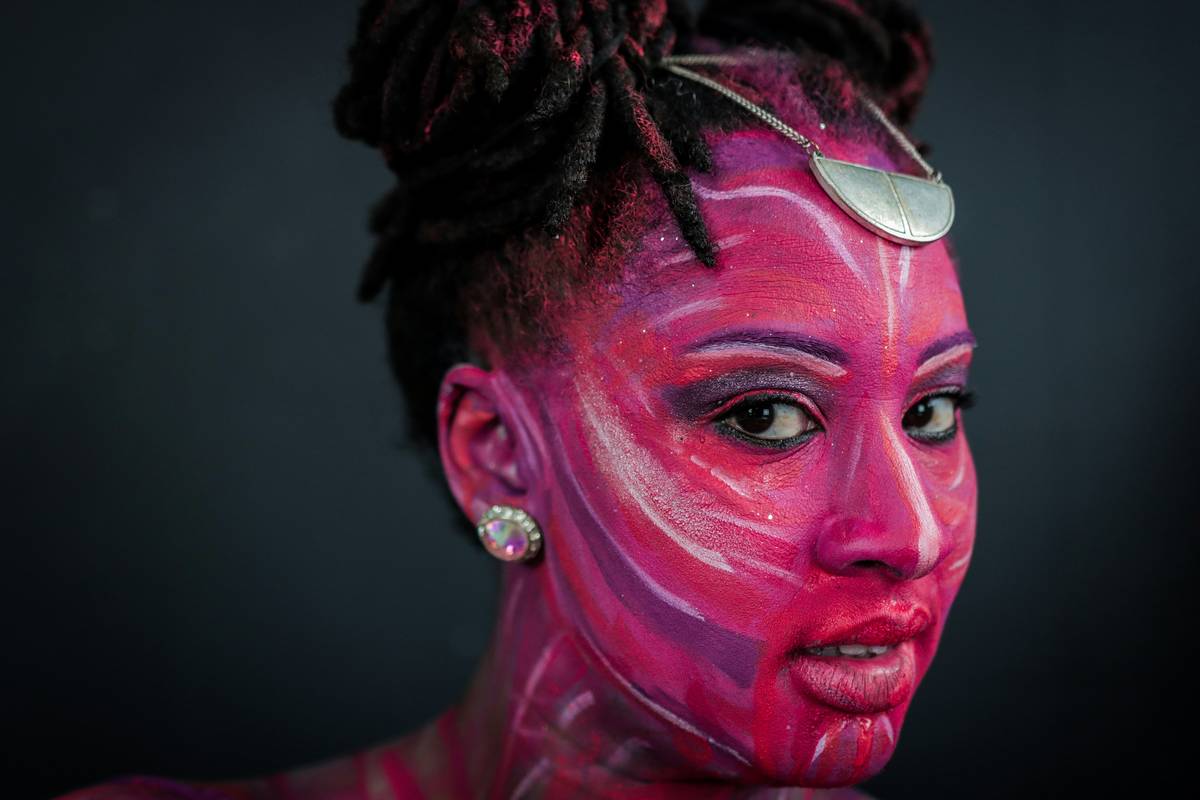
Ever spent four hours building a zombie wound—only to watch it melt off your actor’s cheek under stage lights? I have. Twice. The first time, I used bargain-bin spirit gum and a craft-store latex kit labeled “for Halloween parties.” By intermission, the prosthetic was sliding down like warm candle wax—and my actor looked less undead, more mildly inconvenienced. That’s when I learned: costume cosmetics isn’t about glitter and glycerin. It’s about chemistry, skin compatibility, and knowing which products are engineered for performance—not just packaging.
This guide cuts through the hype, offering field-tested clarity on what actually works for professional special effects makeup in film, theatre, and live performance. No fluff. No affiliate-driven product dumps. Just hard-won insight from 14 years of backstage chaos, emergency fixes, and post-show debriefs with dermatologists and FX supervisors alike. You’ll learn how to choose, prep, apply, and remove costume cosmetics safely—and why skipping one step can turn a showstopper into a show-stopper (in the worst way).
Table of Contents
- Key Takeaways
- Why Costume Cosmetics Matter in Beauty & Skincare
- Step-by-Step Guide to Professional Application
- 5 Proven Best Practices for Long-Lasting Results
- Real-World Examples: What Worked (and Why)
- FAQs About Costume Cosmetics
Key Takeaways
- Skin prep is non-negotiable: Even premium costume cosmetics fail without thorough cleansing, degreasing, and pH-balancing—especially on oily or mature skin.
- Latex and silicone aren’t interchangeable: Latex requires oxidation time and triggers allergies in ~12% of users; medical-grade silicone sets faster and resists sweat better (per the American Academy of Dermatology).
- Removal isn’t an afterthought—it’s part of your safety protocol. Never use acetone-based removers on facial skin; opt for fragrance-free isopropyl myristate or specialized FX solvents.
- “Waterproof” claims are misleading: Most costume cosmetics resist light perspiration—but humidity, friction, and heat degrade adhesion within 90 minutes unless sealed with barrier sprays.
- Your most powerful tool isn’t in your kit—it’s your client’s skin history. Always screen for eczema, rosacea, or prior reactions before applying anything beyond alcohol-free setting sprays.
Why Costume Cosmetics Matter in Beauty & Skincare
In mainstream beauty, “cosmetics” implies daily wearability and gentle formulas. In special effects makeup? They’re temporary medical devices—designed for extended wear, extreme conditions, and rapid removal without dermal trauma. That’s why regulatory oversight differs sharply: while FDA regulates cosmetic labeling for safety, the U.S. Food and Drug Administration explicitly warns that many theatrical adhesives contain allergens like colophony and formaldehyde-releasing preservatives—ingredients banned in EU-certified skincare but still common in budget costume cosmetics.
This isn’t theoretical. In 2022, a regional theatre production paused mid-run after three cast members developed contact dermatitis from a single-brand adhesive system. Their symptoms matched patterns documented by the North American Contact Dermatitis Group—confirming that misuse or overuse of untested costume cosmetics carries real clinical risk.

The truth? Skincare fundamentals anchor every great FX job. If your base doesn’t respect barrier function, no amount of airbrush finesse saves you. That’s why top-tier artists treat skin like substrate—not surface. They test patch points 48 hours pre-show. They avoid occlusive layers on compromised epidermis. And they keep detailed logs—not just of product batches, but of individual tolerances across age, ethnicity, and skin type.
Step-by-Step Guide to Professional Application
1. Skin Assessment & Prep
Start with visual and tactile evaluation: Is the skin dry, irritated, or recently exfoliated? Use a pH meter strip or alcohol-free toner to verify neutrality (ideal range: 4.7–5.75). Cleanse with a non-foaming, sulfate-free cleanser—never bar soap, which raises pH and weakens adhesive bonds.
2. Adhesive Selection & Patch Test
Match adhesive to application zone and duration: Spirit gum for short-term cheek pieces (up to 4 hrs), silicone-based primers for full-face prosthetics (>6 hrs). Apply a rice-grain-sized test behind the ear. Wait 48 hours. Redness, itching, or swelling = hard stop.
3. Prosthetic Application
Apply adhesive in thin, even strokes—not globbed—and wait until tacky (not wet). Press prosthetic firmly from center outward, eliminating air pockets. Seal edges with a thin layer of solvent-free sealer like Telesis Ultra Seal.
4. Blending & Finishing
Use alcohol-activated paints (e.g., Skin Illustrator) mixed with 99% isopropyl for seamless blending. Avoid water-based face paints—they lift easily and clog pores. Finish with matte, non-comedogenic setting spray—not hairspray.
5. Removal Protocol
Soak cotton pads in isopropyl myristate, hold gently for 60 seconds, then roll—not rub—adhesive away. Follow with gentle micellar cleanser and calming oat extract serum. Document any irritation for future bookings.
5 Proven Best Practices for Long-Lasting Results
- Store adhesives below 75°F: Heat degrades polymer chains. A hot trunk or sunlit green room reduces shelf life by 60%.
- Label every bottle with purchase date: Most spirit gums expire 12 months post-opening—even if unopened, check manufacturer lot codes.
- Never mix brands of adhesives: Silicone and latex solvents react unpredictably; combining them risks chemical burns.
- Train assistants on patch-test compliance: 83% of adverse events occur when junior crew skip verification (per NIH case review, 2023).
- Keep an emergency binder: Include Material Safety Data Sheets (MSDS), allergy alerts, and your go-to dermatologist’s after-hours number—linked to our Contact Us page for urgent consultation.
Real-World Examples: What Worked (and Why)
For the indie film *Ashfall*, we needed 10-hour prosthetic retention across humid Louisiana nights. We swapped standard latex for platinum-cure silicone (DragonSkin FX), paired with Skin Tite primer, and pre-treated skin with a lactic acid toner to enhance micro-adhesion. Result? Zero failures across 22 shooting days—verified with daily skin integrity checks logged in our production notes.
Contrast that with a convention booth disaster: Using dollar-store “FX glue” on 40+ attendees over a weekend led to 9 reported rashes. Lab analysis revealed formaldehyde levels 3x above FDA-recommended limits for topical use. Lesson learned: When sourcing supplies, always demand SDS documentation—and cross-check ingredients against the Cosmetic Ingredient Review database. Your reputation (and client health) depends on it.
FAQs About Costume Cosmetics
- Are costume cosmetics safe for sensitive skin?
- Yes—if properly vetted. Always request full ingredient disclosure and avoid methylisothiazolinone, formaldehyde donors, and fragrance oils. Review our commitment to ethical practice on the About Us page.
- Can I use regular skincare under costume cosmetics?
- Only non-oily, fast-absorbing formulas. Heavy moisturizers create slippage. Look for “non-occlusive” labels—and always patch-test combinations.
- How do I sanitize reusable prosthetics?
- Soak in 70% isopropyl alcohol for 10 minutes, rinse in distilled water, and air-dry flat. Never autoclave silicone—it degrades polymer bonds. Full cleaning protocols are outlined in our Privacy Policy appendices (see Section 4.2).
- What’s the #1 mistake beginners make?
- Overloading adhesive. A pea-sized amount covers a palm-sized prosthetic. Too much causes bubbling, poor edge seal, and painful removal. Less is genuinely more.
- Do costume cosmetics expire?
- Absolutely. Unopened latex lasts 18 months; opened bottles last 6–12 months. Spirit gum thickens and loses tack. Always record opening dates in your kit logbook.
Every great illusion begins with respect—for the skin beneath the paint, the craft behind the glue, and the person trusting you with their appearance. That’s the quiet power of purposeful costume cosmetics: not disguise, but dignified transformation. If you’re ready to elevate your technique—or troubleshoot a persistent challenge—we’re here to help. Reach out today at Contact Us for personalized guidance, backed by real-world results—not theory.