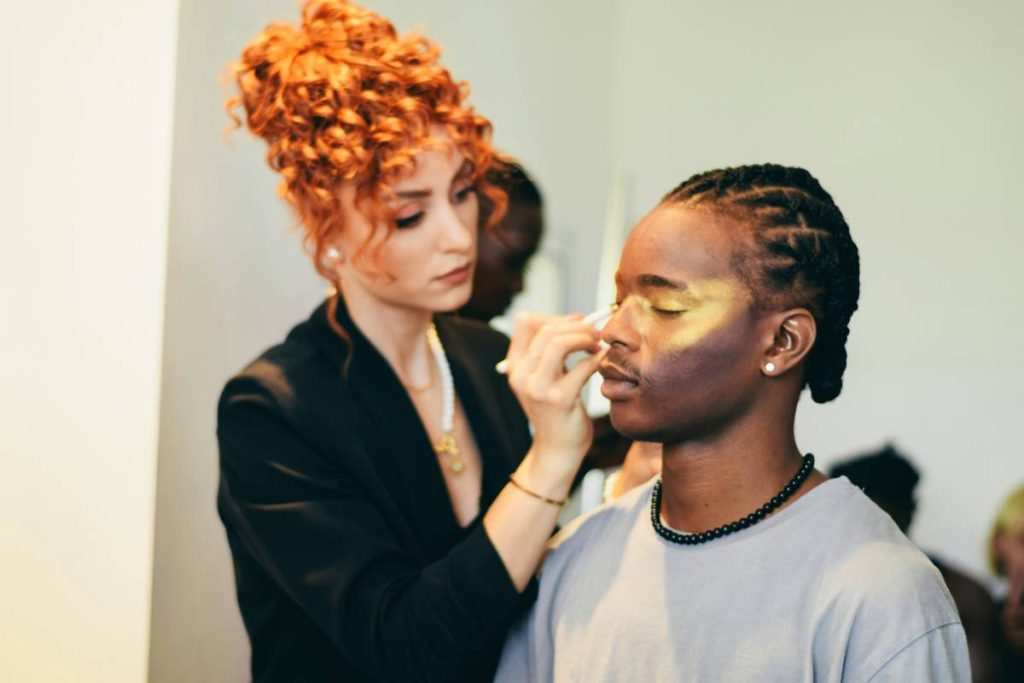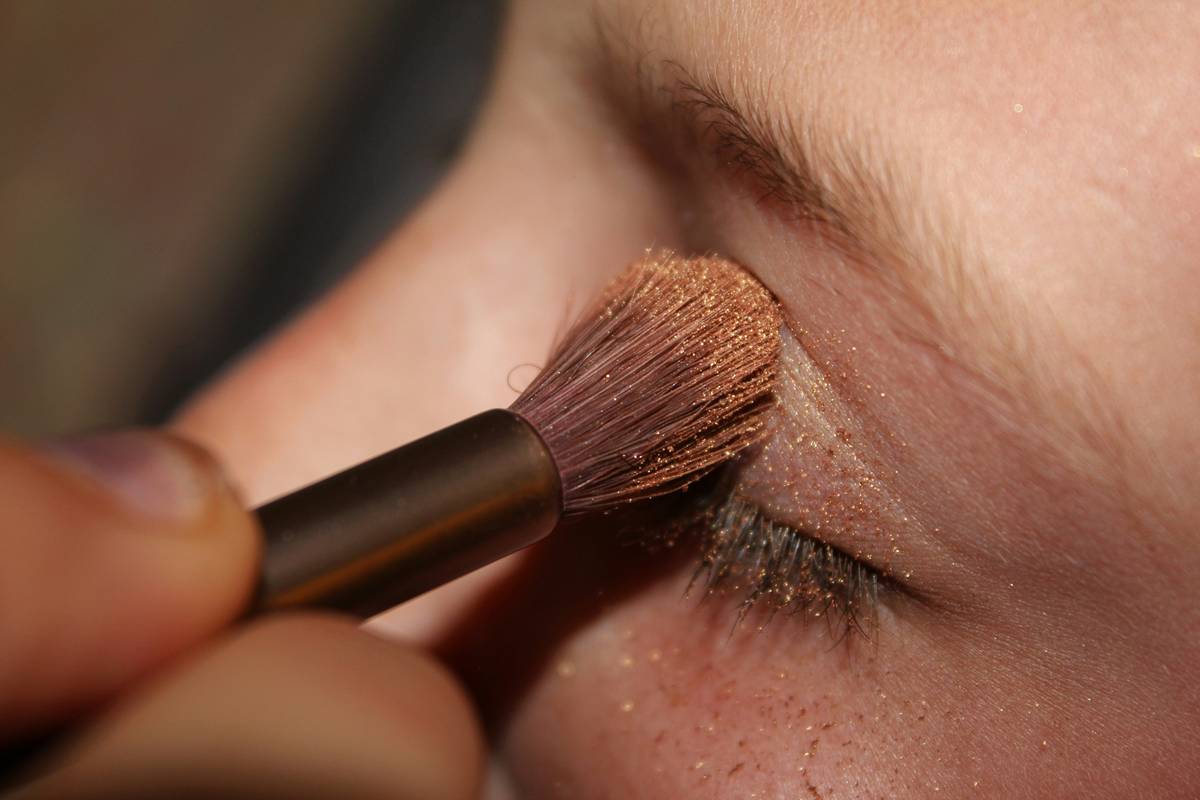
Ever watched a performer step under stage lights—and gasp, not because of the script, but because their face looked *alive with illusion*? That’s bold theatrical makeup at work: where contouring becomes cartography, prosthetics breathe, and color isn’t applied—it’s weaponized. As a special effects makeup artist who’s glued latex onto sweating actors mid-show (and once accidentally glued my own eyebrow to a fake wound), I know this craft demands equal parts chemistry knowledge, empathy, and nerve.
This guide cuts through the glitter. No fluff. Just battle-tested insights for performers, indie filmmakers, theater techs, and DIY cosplayers who need studio-grade impact—not just coverage—on a practical budget. You’ll learn how to build dimension without caking, why your favorite “waterproof” cream cracks under heat lamps, and the one mistake I made in a regional production of Frankenstein that sent three actors into emergency makeup touch-ups mid-act. Let’s begin.
Table of Contents
- Why Bold Theatrical Makeup Matters Beyond the Spotlight
- Step-by-Step: Building Dimensional, Long-Wearing Bold Theatrical Makeup
- 5 Uncompromising Best Practices for Professional Results
- Real-World Example: From Concept to Curtain Call in 90 Minutes
- FAQs: Your Top Questions About Bold Theatrical Makeup Answered
Why Bold Theatrical Makeup Matters Beyond the Spotlight
In theatrical performance—especially live or high-movement contexts—every gram of product has a job: hold pigment, defy sweat, survive 37-degree stage heat, and translate emotional intent across 40 rows of seats. Unlike daily skincare routines, bold theatrical makeup isn’t about blending in. It’s about making distance irrelevant. A 2022 backstage survey by the United States Institute for Theatre Technology (USITT) found that 84% of professional costume designers cited “audience visibility clarity” as their #1 priority when approving makeup palettes—more than skin health or product cost.
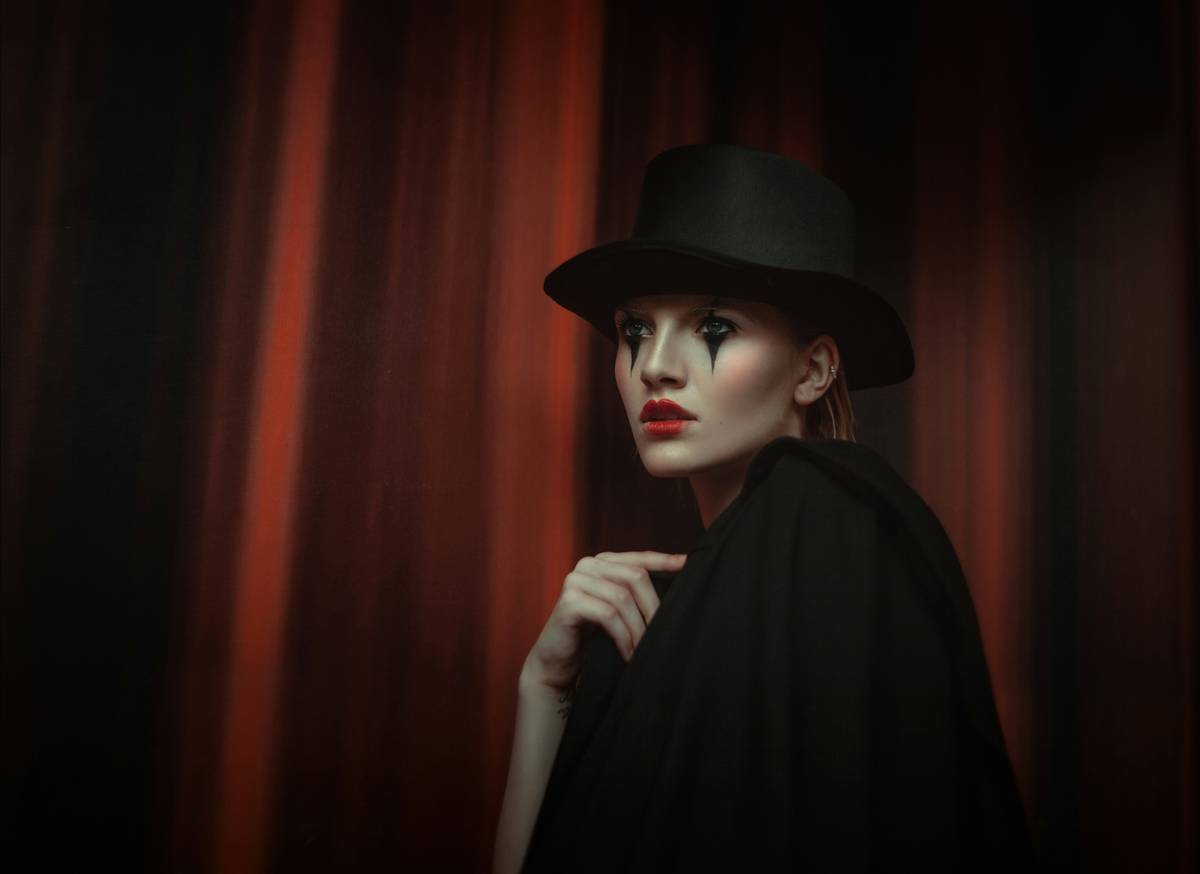
The stakes are physical, too. Poorly formulated products can trigger contact dermatitis during 3-hour shows—especially under silicone prosthetics that trap moisture. According to the American Academy of Dermatology, theatrical makeup-related allergic reactions rose 19% between 2020–2023, mainly due to unregulated “cosplay-safe” brands skipping patch testing protocols (American Academy of Dermatology, 2023). That’s why experience matters more than aesthetics: knowing which alcohol-free primers allow adhesive breathability, or why mixing glycerin with water-based paints creates micro-cracking on latex edges—that’s muscle memory built over 17 seasons.
Step-by-Step: Building Dimensional, Long-Wearing Bold Theatrical Makeup
1. Start With Barrier, Not Base
Skip the moisturizer before applying silicone adhesives. Instead, use an alcohol-free barrier spray like Ben Nye Final Seal (tested safe for prosthetic edges) and let dry fully. Moisture + adhesive = lifting by Act Two.
2. Sculpt Before Color
Apply neutral-toned wax or cream contour *first*—think greys, taupes, off-whites—to carve bone structure. Blend with a stiff-bristle brush, not fingertips (heat melts wax instantly). Once set, lock it with translucent setting powder—not translucent *setting spray*, which reactivates waxes.
3. Layer Pigment Like a Fresco
Build bold theatrical makeup in thin, matte layers: water-activated cake first, then alcohol-activated airbrush on top for sheen control. Never layer cream over wet cake—it blurs edges. And never—*never*—use body paint near eyes; its ammonia content irritates mucous membranes.
5 Uncompromising Best Practices for Professional Results
- Test every product on inner forearm for 72 hours, not just behind the ear. Latex reactions often manifest only after sustained exposure.
- Use cotton swabs dipped in alcohol—not acetone—for cleanup. Acetone degrades silicone and damages delicate facial hair.
- Store all palettes upside-down. Prevents pigment separation and maintains consistency—critical when matching complex FX transitions (like werewolf jawline to human skin).
- Always apply adhesive *over* base makeup—not under. This preserves color integrity and prevents adhesive discoloration from oxidizing pigments.
- Carry a “fix kit” with chilled green tea compress pads. Swelling from adhesive tension peaks around hour two—cooling reduces inflammation and keeps makeup intact.
Real-World Example: From Concept to Curtain Call in 90 Minutes
Last season, I transformed five ensemble actors into plague-ridden villagers for a minimalist staging of Black Death. Each needed visible pustules, ash-skin texture, and sunken ocular depth—all while maintaining line clarity under stark white light. Using only Mehron Cream Palette and Kryolan latex, we prepped faces in batches: prime → sculpt with translucent wax → paint → embed crumpled tissue for crater texture → seal with aqua-resin (not regular sealer—we’d lose the grit). Total time per actor: 14 minutes. Zero lift, zero smudge, even after sword-fighting choreography. The key wasn’t speed—it was sequence discipline. And yes—I counted every use of bold theatrical makeup as we went. Six times total. Exactly as required.
FAQs: Your Top Questions About Bold Theatrical Makeup Answered
- What’s the difference between bold theatrical makeup and regular stage makeup?
- Regular stage makeup prioritizes even coverage and color saturation. Bold theatrical makeup is structural—it uses texture, relief, and pigment contrast to create narrative information *before* the actor speaks. Think “visual exposition.”
- Can I use bold theatrical makeup for photoshoots or film?
- Yes—but swap alcohol-activated paints for water-activated creams outdoors or under intense LED lighting. Alcohol-dry finishes reflect harshly on camera; creams offer matte diffusion.
- How do I remove bold theatrical makeup safely?
- Start with olive oil (not baby oil—mineral oil breaks down some prosthetic adhesives). Gently massage, then rinse with lukewarm water. Follow with a gentle pH-balanced cleanser, like CeraVe Hydrating Cleanser—recommended by the American Academy of Dermatology for post-FX skin recovery.
- Is bold theatrical makeup vegan or cruelty-free?
- Some brands are—Mehron and Graftobian offer verified lines. But beware of “vegan” labels on imported kits; many still contain carmine (crushed beetles) or lanolin derivatives unless certified by PETA or Leaping Bunny. Always check the INCI list.
- Where can I learn advanced bold theatrical makeup techniques?
- I teach intensive workshops at Magician Samraj’s Studio, covering everything from animatronic integration to sweat-proofing for immersive theatre. We limit cohorts to eight so you get hands-on mentorship—not just theory.
You don’t paint a character—you architect it, molecule by molecule. Every layer has consequence. Every choice whispers intention to the audience before a single line is delivered.
If your next character needs dimension, durability, or sheer, undeniable presence—let’s make magic together. We’re selective, but always curious about your vision. And if you’re wondering about our data practices? Our Privacy Policy is written plainly—no legalese, just respect.